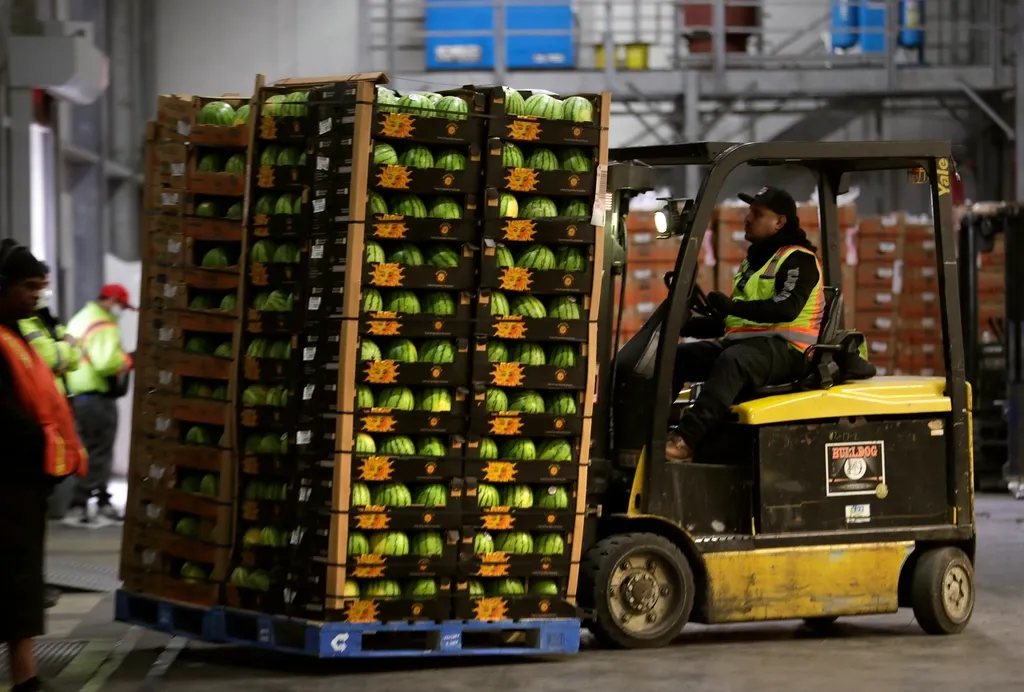
The dock is where disputes start
When goods arrive damaged or short, the question is always the same: did it happen before or after it reached us? Without evidence, that becomes a long email thread and often a write-off. A camera at each dock door that photographs every pallet in and out turns that argument into a lookup.
What can be automated
- Counting pallets loaded or unloaded per truck and matching that against the order or delivery note.
- Flagging visible damage: crushed corners, torn wrap, leaning or collapsed stacks.
- Reading labels and pallet IDs so each photo is attached to the right shipment automatically.
- Measuring dock turnaround time per carrier, from the moment the truck arrives to when it leaves.
Why the demo isn't enough for claims
A demo can box a pallet and say it looks damaged. For a claim, you need more: a clear photo from a known angle, a timestamp, the shipment it belongs to, and confidence that every pallet was captured, not just most. Missing one pallet is how evidence gets dismissed.
So the production work is mostly about coverage and consistency: camera placement that sees every pallet, triggering on forklift movement, and checks that alert someone when a pallet passed without a usable photo.
Damage detection needs your data
"Damaged" means something different for watermelons in crates than for electronics in boxes. General models can spot obvious problems, but reliable damage detection needs examples from your own dock, labelled the way your team would judge them. I usually start by collecting photos for a few weeks, labelling the clear cases, and training from there.
Before training anything, the dataset itself gets checked: duplicate images, unclear labels, and gaps where certain products or conditions never appear.
Fitting into receiving
The system is only useful if it lands where receiving already happens: your warehouse management system, ERP, or a simple dock screen. Counts get matched to orders automatically, and anything that doesn't match goes to a person with the photos already attached.
A good first project
One dock door, one camera, photos of every pallet attached to the shipment. That alone pays for itself the first time a damage claim is settled in your favour. Counting and damage detection can be layered on top once the photos are flowing.